

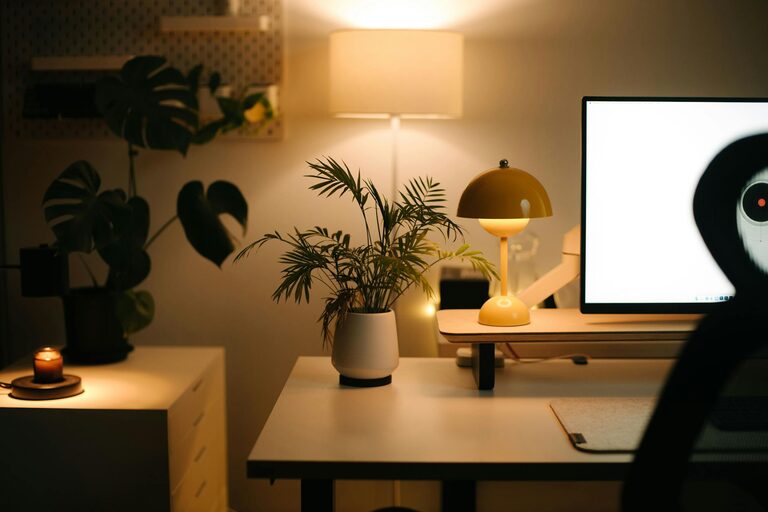
Creating a cozy and inviting home workspace can significantly improve your focus and overall work experience. Whether you spend a few hours or the whole day working from home, having a dedicated and comfortable space can boost your productivity and well-being. Here are some practical tips to help you design a workspace that feels both functional and pleasant.
Choose the Right Location
Selecting the best spot for your home workspace is the first step. Ideally, this should be a quiet area with minimal distractions. A corner of your living room, a spare room, or even a section of your bedroom can work well, as long as the space supports concentration.
Consider Natural Light
Natural light plays a crucial role in creating a warm and welcoming atmosphere. Position your desk near a window if possible. Daylight helps reduce eye strain and lifts your mood, making it easier to stay motivated throughout the day.
Invest in Comfortable Furniture
Comfort is key when setting up a home workspace. Choose an ergonomic chair that supports your posture and a desk that suits your height and working style.
– Ergonomic chair: Look for adjustable features like seat height, lumbar support, and armrests.
– Desk: Consider the size and whether you need extra storage or a simple surface. Standing desks or adjustable desks are great options for varying your position.
Personalize Your Space
Adding personal touches makes your workspace feel inviting and less sterile. Here are some ideas:
– Decor: Small artworks or photos can brighten the walls.
– Plants: Indoor plants purify the air and add a touch of nature.
– Textiles: A soft rug or cozy throw can make the space feel warmer.
Keep your personal items minimal to avoid clutter but include elements that inspire and comfort you.
Organise for Efficiency
Clutter can quickly make even the nicest space feel stressful. Organise your workspace to stay productive and relaxed.
– Storage solutions: Use shelves, drawers, or baskets to keep supplies out of sight but accessible.
– Cable management: Cable clips or boxes help keep wires tidy.
– Desk essentials: Keep only what you need daily on your desk to maintain a clean surface.
Optimize Lighting
Good lighting is important, especially if natural light is limited. Combine ambient, task, and accent lighting to create a comfortable environment.
– Ambient lighting: Overhead lights that illuminate the whole room.
– Task lighting: A desk lamp with adjustable brightness for focused work.
– Accent lighting: Soft lights like fairy lights or LED candles add warmth.
Choose warm-white bulbs to foster a cozy atmosphere rather than harsh, cold light.
Minimise Noise Distractions
Noise can interrupt your flow. Consider ways to reduce distracting sounds:
– Use noise-cancelling headphones.
– Play low-volume instrumental music or white noise.
– Add soft furnishings like curtains and rugs to absorb sound.
Establish a Routine and Boundaries
Having a pleasant workspace is part of the equation, but setting a clear routine helps maintain balance.
– Set work hours to separate professional and personal time.
– Use the workspace solely for work to build a mental boundary.
– Take regular breaks to stretch and rest your eyes.
Keep It Clean and Fresh
A clean and well-maintained workspace invites you to work happily.
– Regularly dust and wipe surfaces.
– Open a window to refresh the air.
– Use air fresheners or essential oil diffusers with calming scents like lavender or citrus.
Conclusion
Designing a cozy and inviting home workspace is all about combining comfort, functionality, and your personal style. A well-thought-out space can enhance your concentration, reduce stress, and make working from home an enjoyable part of your daily routine. Start with small changes, and gradually create a place where you look forward to sitting down and doing your best work.